The Frontier's Last Chapter
Wyatt Earp at Vidal: Claims, Home, and Legend
Before the cottage and the final winter, Wyatt Earp was already writing from Vidal about land, mines, and business. His letters trace the prospector’s life here—and his effort to keep the story of the Old West from getting ahead of the truth.
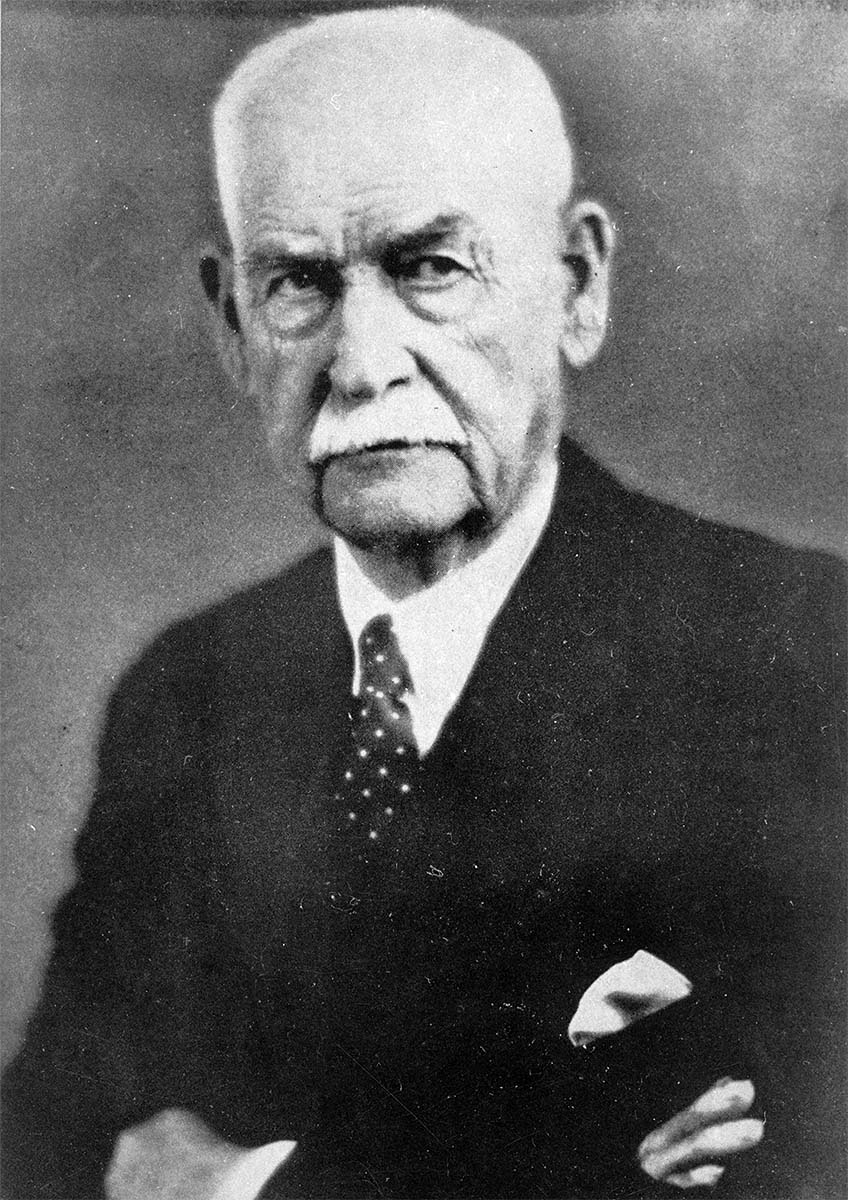
By the time Wyatt Earp came to the eastern Mojave, the frontier that made him famous had already passed into legend. Nearly half a century separated the aging prospector from the brief exchange of gunfire near the O.K. Corral in Tombstone, Arizona, on October 26, 1881 — the episode that would define his name long after his death. The West of cattle towns and mining camps had given way to automobiles and moving pictures. Yet Earp, restless to the last, kept chasing the thing that had first drawn him across the territories: the promise of a strike in hard ground.
The Whipple Mountains, rising east of Vidal toward the Colorado River, drew Earp back to San Bernardino County as a prospector. Around 1906 he and his wife Josephine began spending the cooler months at mining camps near the range, working gold and copper claims. The County’s historical account notes that Earp spent more of his life in San Bernardino County as a mine developer than as a frontier lawman—a local history that the Tombstone legend tends to obscure.
Vidal became their settled winter base later. In 1925 the Earps bought a small cottage in town, from which they could return to the Whipple claims; by most accounts, it was the only permanent home they owned together. The mine workings and the cottage were related parts of their desert life, but they were not the same place: the claims lay in the mountains, while the house stood at Vidal.
From Tombstone to the Mojave
Earp's life had carried him through nearly every chapter of the frontier: buffalo hunting on the plains, keeping order in the Kansas cattle towns of Wichita and Dodge City, the silver rush at Tombstone, and the gold stampede to the Klondike and Nome at the turn of the century. Along the way he dealt faro, ran saloons, invested in mines and real estate, and refereed a notorious 1896 heavyweight prizefight in San Francisco. Fortune came and went. What never left him was the prospector's conviction that the next claim would be the one that paid.
A prospector writing from Vidal
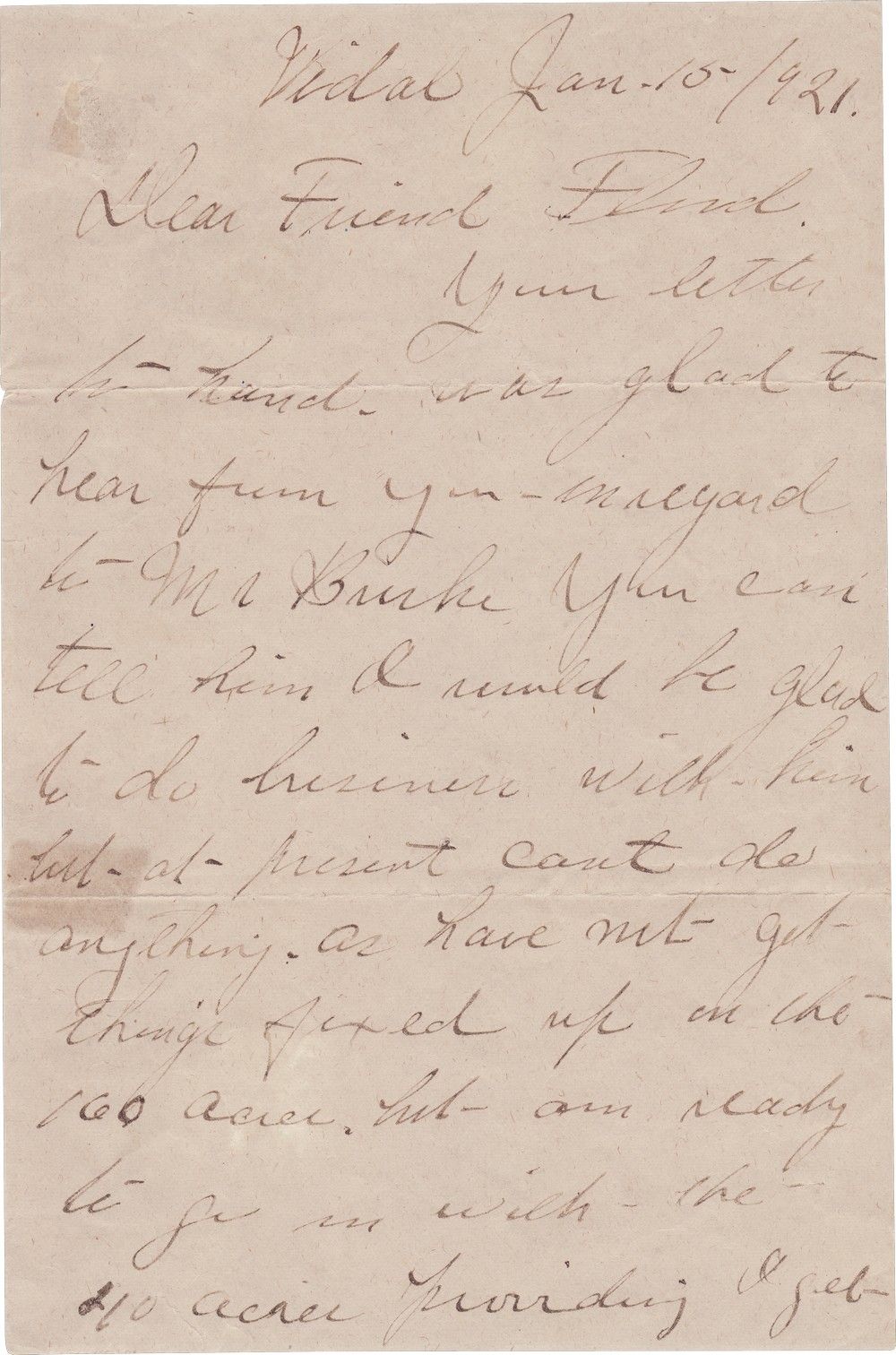
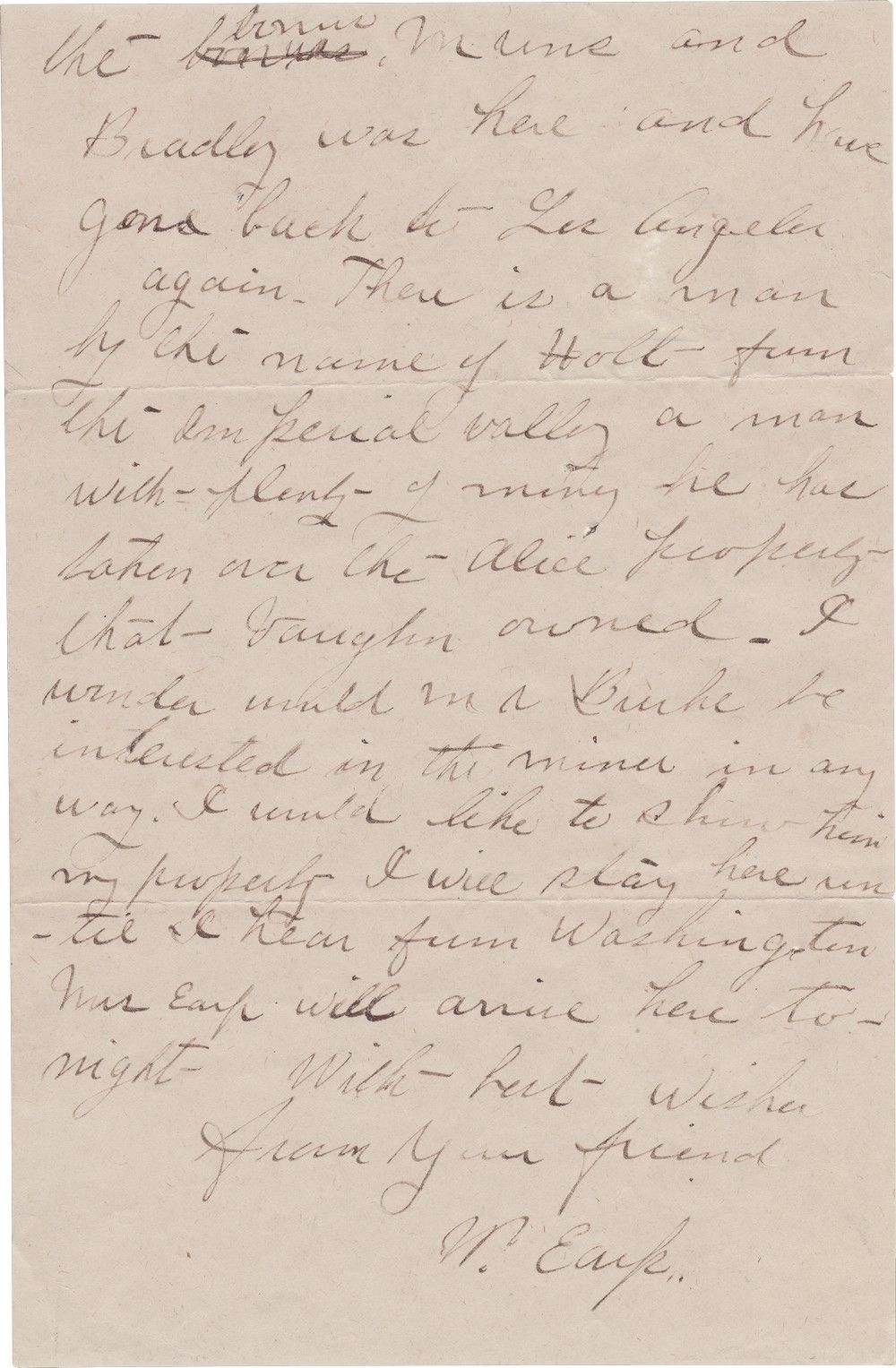
A letter dated January 15, 1921, shows Earp already treating Vidal as a base for business years before the cottage became his winter home. Writing to John H. Flood, he discussed a 160-acre deal that was not yet settled and a possible investment in 40 acres if he received a bonus. He also mentioned Mains and Bradley returning to Los Angeles, an Imperial Valley investor named Holt who had taken over property formerly owned by Vaughn, and asked whether Flood’s contact Mr. Burke might be interested in the mines. Earp offered to show him his property. The letter records negotiations and intentions, not proof that either land deal closed; what it does show is a working prospector weighing claims, acreage, and potential partners from Vidal.
At his side through it was Josephine Sarah Marcus — "Sadie" to those close to her — who had come into his life in Tombstone and remained his companion for roughly forty-seven years. The two were, by the standards of the day, an unlikely and enduring pair, and it was their shared appetite for the desert and its gambles that eventually brought them to the country around Vidal.
The Happy Days claims
Earp's mining interests near Vidal centered on a group of claims he called the "Happy Days" — gold and copper prospects in the Whipple Mountains. The claims were spread across the rugged country west of the Colorado River, roughly twenty-five miles from the couple's Vidal cottage. A regional mining history reports that Earp filed nearly one hundred claims in the district and had sunk one shaft to about one hundred feet by the time of his death. Those figures suggest years of effort, not a proven fortune: the record describes a prospector's pursuit of ore rather than a major producing mine.
For Earp the appeal was as much temperament as geology. He filed and worked his claims himself, well into his seventies, driving out from the cottage to the diggings and back. The gold he took from the Whipples never amounted to the fortune he had chased since Kansas — but the labor, and the possibility, suited a man who had never learned to sit still.
The cottage at Vidal
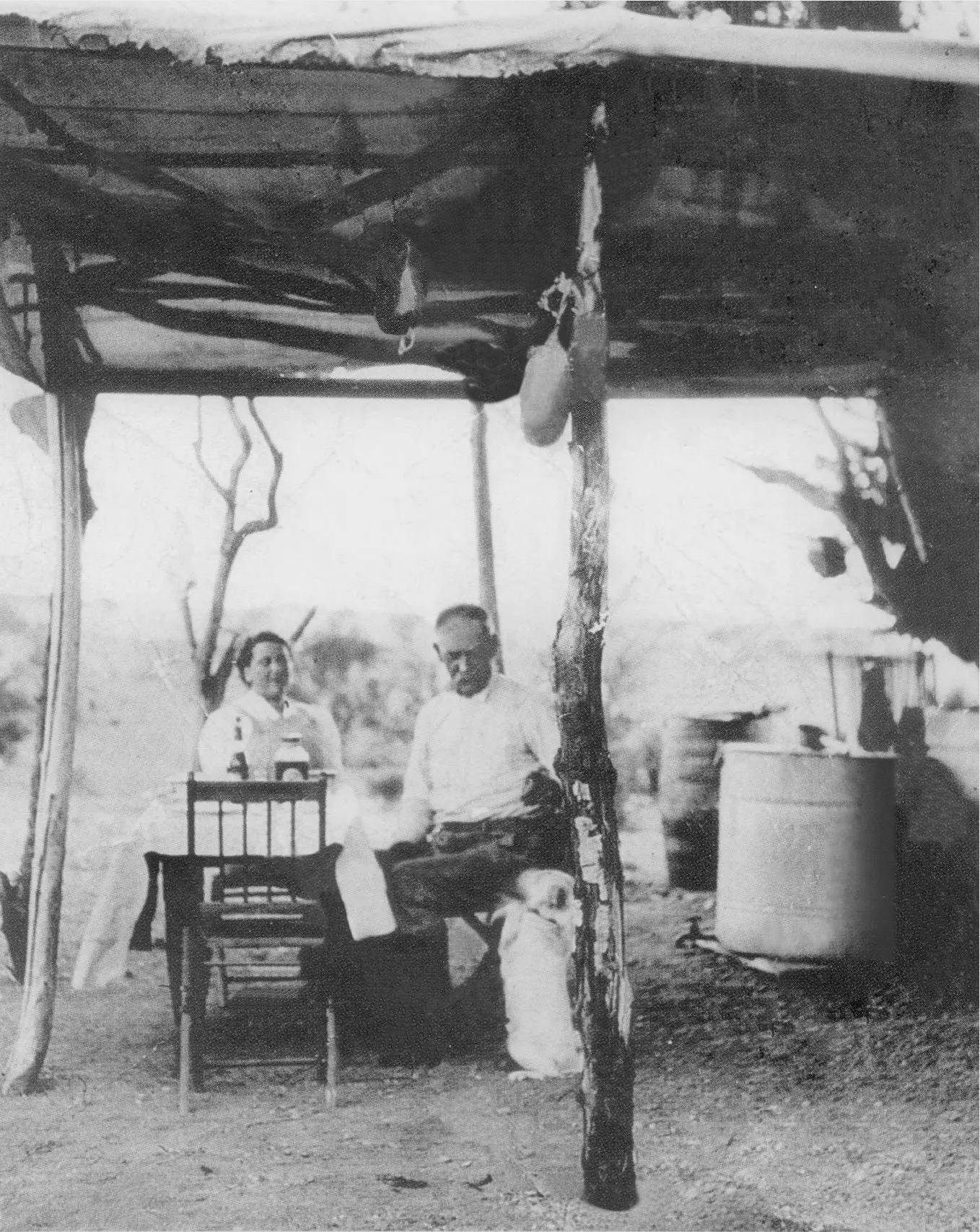
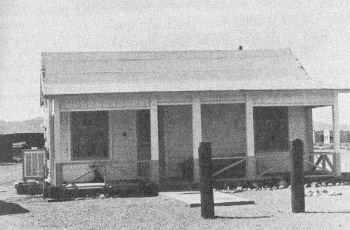
The Earps wintered at Vidal from 1925 through 1928, retreating to Los Angeles when the desert summer turned punishing; Wyatt died there in January 1929. Their small frame cottage had a history of its own: it is said to have been spared when fire swept the nearby settlement of Calzona and then hauled to Vidal to serve as the couple's home. Plain and low, with a shaded porch against the sun, it was a world away from the mining-camp saloons of Earp's younger years.
During the Vidal years, Earp had one last brush with the work that made his name. In the account preserved by San Bernardino County, a man with a gun tried to rob Charles Bunnell's general store. Constable James Wilson asked Earp to help, but Earp walked in unarmed, ordered the intruder to surrender, and handed him over to Wilson. Sheriff Walter Shay later commissioned Earp as a nonsalaried deputy; under-sheriff Tom Carter presented the badge when Earp visited San Bernardino. The County places the episode in the early 1920s, though the account does not give a precise date.
Hollywood at the campfire
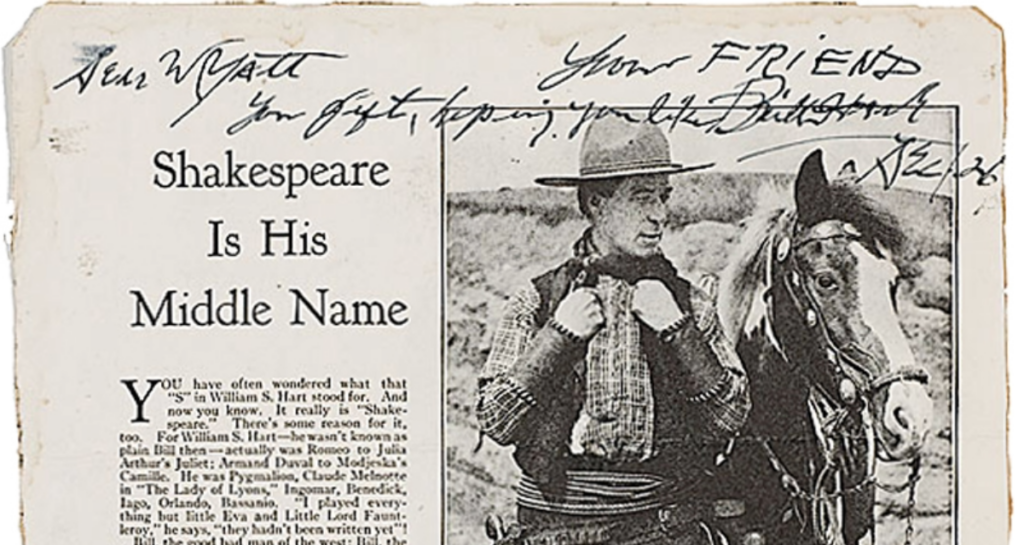
In his final decade Earp became a quiet fixture on the edges of the young film industry. Western stars and directors sought him out as a living link to the frontier they were busy dramatizing; he counted the actors William S. Hart and Tom Mix among his friends and served as an informal adviser on how the Old West had actually looked and moved. Earp hoped a faithful account of his life might reach the screen — an ambition that would only be realized, in heavily mythologized form, long after he was gone.
That friendship with Hart mattered in Vidal. In March 1922, after the Los Angeles Times falsely reported that Earp had been killed in Colton, Josephine wrote Hart to correct the record: Wyatt was alive, working his mining claim at Vidal. She described the published stories about him as untrue, and Earp later recalled that he was tired of seeing such accounts. The letter puts the Vidal claim at the center of a personal campaign to keep the living man from being replaced by newspaper legend.
Josephine’s letter from Vidal
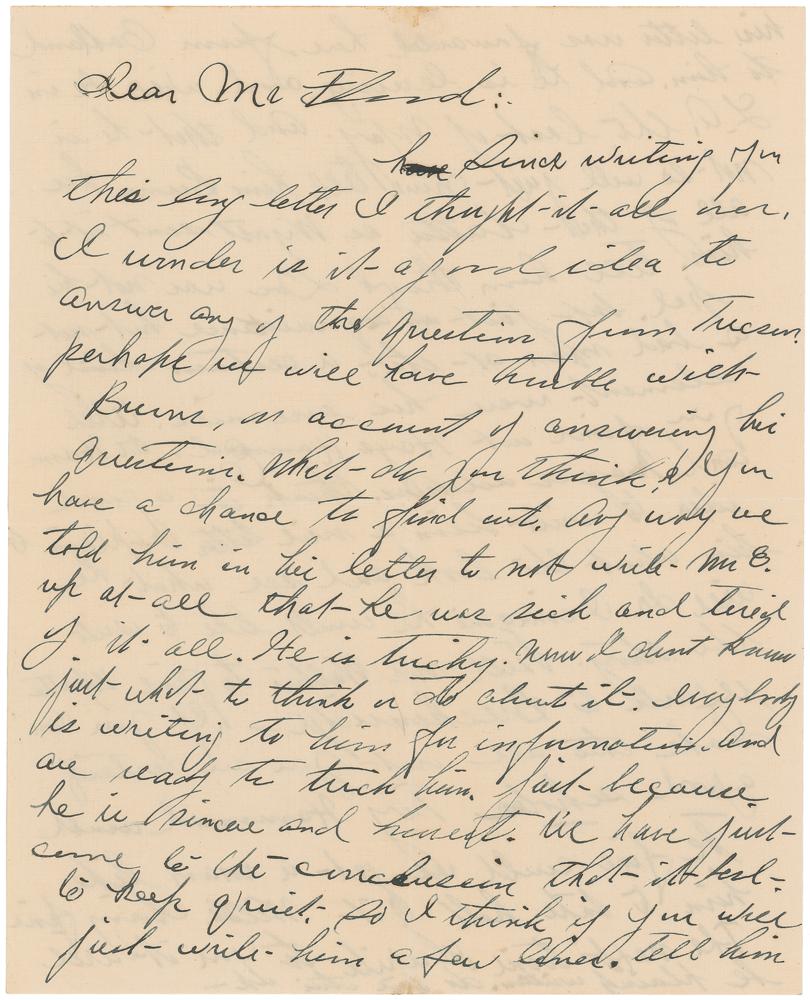
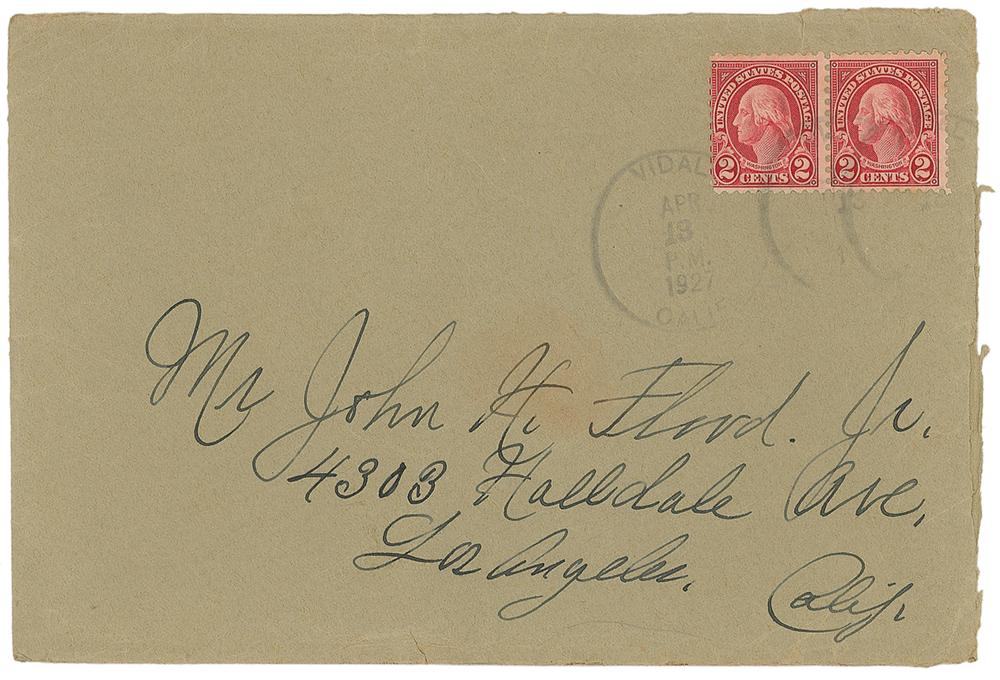
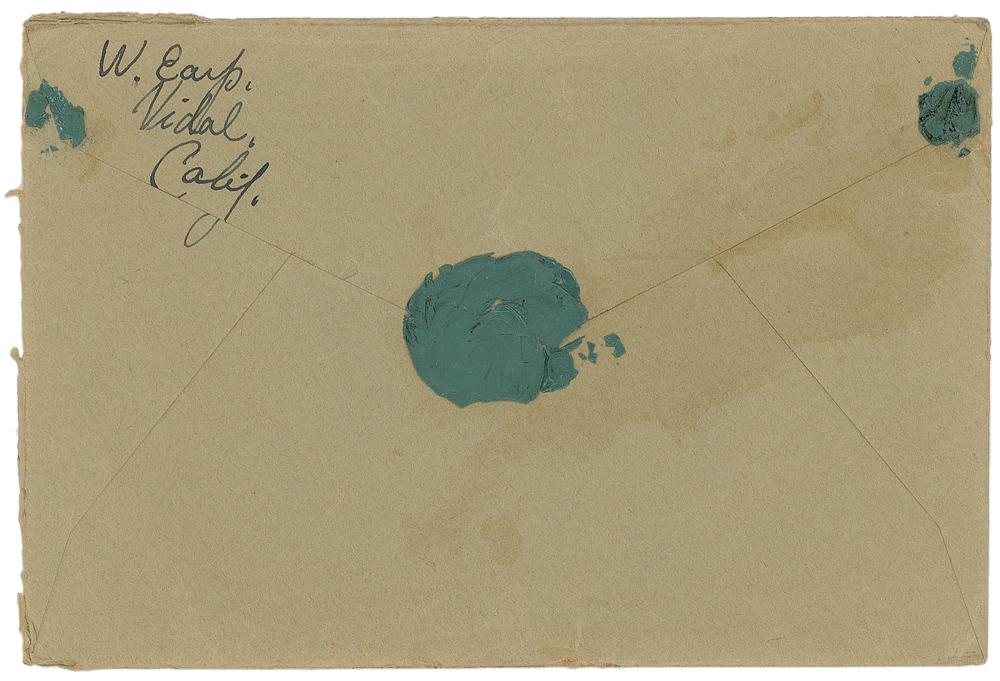
By 1927 the Earps were living at Vidal, and Wyatt was trying to control who would tell his story. In a letter dictated by him and written in Josephine’s hand to Flood, he worried that answering questions from Tucson might invite trouble with writer Walter Noble Burns. He asked Flood to keep Burns from writing him up, and to explain that Wyatt was leaving and expected to be in Los Angeles later in May. The envelope bears the return address “W. Earp, Vidal, Calif.”: a small but vivid piece of evidence placing the couple’s correspondence at their desert home.
Doc was not his pal, but just an acquaintance, but not a bad man at that.
Wyatt Earp, dictated to Josephine Earp, letter to John H. Flood, postmarked April 18, 1927
The distinction was deliberate. The Earps had come to the conclusion that it was best to keep quiet while competing writers sought Earp’s recollections; they instead relied on Flood to shape an authorized biography. In correcting the familiar story of a lifelong Earp–Holliday partnership, the letter offers something more valuable than another retelling of the gunfight: Earp’s own late-life effort to distinguish memory from myth. Josephine’s script carries his words, and the Vidal return address anchors that effort in the final home they shared.
The last trail
On January 7, 1929, six days before his death, Earp sent Hart what is described as his final letter. The message turned from public reputation to private loss: Earp wrote of the death of his older brother Newton, buried in Sacramento on December 20 at the age of ninety-one, and reflected that “the world moves on, and age must make way for youth.” After years spent answering false reports and negotiating who could write his life, this last note reads as a quieter coda—an old friend measuring time and family from the last chapter of a life that had brought him to Vidal.
Wyatt Earp died in Los Angeles on January 13, 1929, at the age of eighty. Among the pallbearers and mourners were the cowboy actors who had befriended him; Tom Mix is said to have wept openly. Josephine outlived him by fifteen years, dying in 1944, and spent much of that time guarding — and shaping — the story of the husband whose legend was already outgrowing the facts.
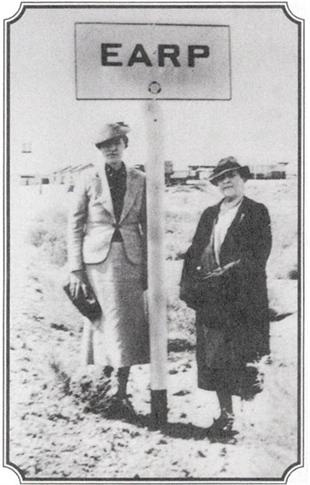
The desert did not forget them. A short distance from Vidal, at a siding on the Colorado River, a small community took the name Earp in the lawman's honor, its post office established the year after his death. For travelers today the weathered sign is often the first hint that the most storied gunman of the American West spent his last quiet winters here, in the bare country between the railroad and the river.
Sources & Further Reading
- Shapell Manuscript Foundation, Wyatt Earp letter to John H. Flood, Vidal, January 15, 1921 — land negotiations and mining interests.
- RR Auction, Wyatt Earp dictated letter in Josephine Earp's hand to John H. Flood, postmarked April 18, 1927 — manuscript and original envelope.
- Hometown Station, ‘Today in SCV History: March 24, 1922 — Wyatt Earp’s Fight for the Truth’ — Josephine’s letter to William S. Hart and Earp’s efforts to correct false reports.
- San Bernardino County, "Wyatt Earp" — the Vidal years and 1928 deputy commission.
- Digital-Desert, "Wyatt Earp Home" (Vidal, CA) — the cottage and its history.
- Wikimapia / mine records — the "Happy Days" and Lucky Day claims in the Whipple Mountains.
- Western Mining History, "Wyatt Earp: A Mining Town Odyssey."
- Larry M. Vredenburgh, Gary L. Shumway, and Russell D. Hartill, Desert Fever: An Overview of Mining in the California Desert (1981), p. 80 — Whipple District claims and mine workings.
- True West Magazine, "Wyatt Earp in Hollywood."